Hello everyone,
I’ve been working with Opuntia ficus-indica here in Andalusia for a few years. It’s a fantastic plant for dry conditions, but I’ve noticed some challenges with pests, especially the cochineal insect. Has anyone found effective, sustainable methods to control them without harming the plant?
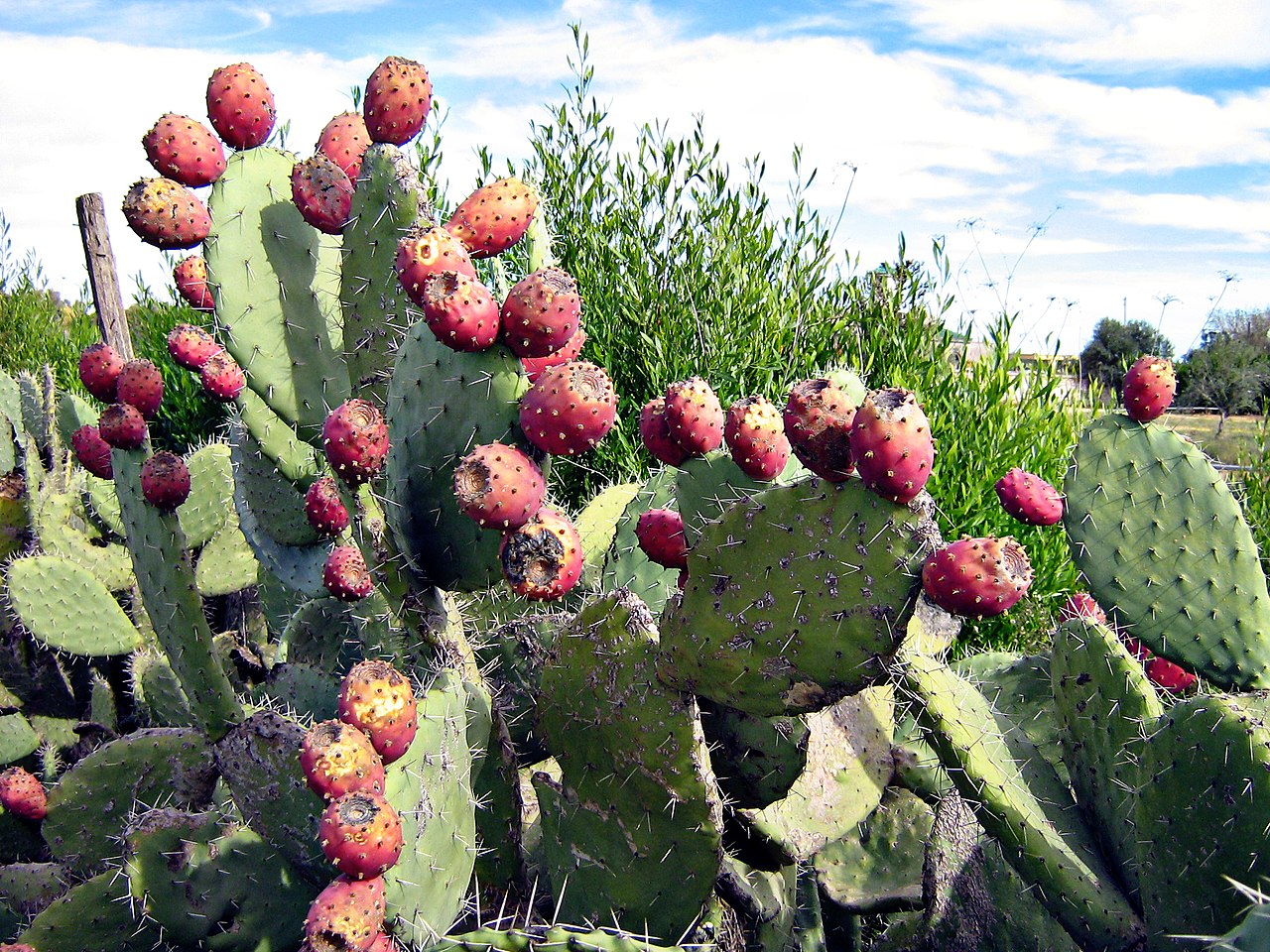
Hi Pepote,
Great to hear your experience! I’ve been researching Opuntia in the Mediterranean for its potential as both food and forage. Regarding the cochineal, some farmers I’ve worked with in Sicily use a combination of manual cleaning and natural predators (ladybugs and lacewings) with good results. Also, maintaining proper spacing between plants reduces the spread.
Thanks, John! I didn’t know about using predators. I usually remove them by hand or with water pressure, but it’s a lot of work in large plantations. Do you think introducing predators works well in open fields, or is it more effective in controlled environments?
Good question. In open fields it’s harder, but if you create “micro-habitats” (for example, planting hedges nearby that attract beneficial insects), it increases their presence naturally. Another interesting practice is applying neem oil in diluted form, which has shown promising results in trials without damaging the cactus.
That’s really useful. I’ll try a mix of natural predators and neem oil this season. I think Opuntia has huge potential, especially in Mediterranean drylands, not only for fruit but also for forage and even bioenergy. Thanks for sharing your research insights!
Absolutely! It’s an incredible NUS plant. If you collect data on your trials, let’s share them here—could be valuable for other farmers and researchers in the Venus Project.